
Subject Content: Core Biological Themes
The course covers a broad range of topics with an emphasis on human biology, theory, and practical skills.
1. Cells & Biological Molecules
Focuses on cell structure, biological molecules, enzymes, and the principles of movement across cell membranes.
2. Plant and Animal Physiology
Covers nutrition, gas exchange, respiration, and transport systems in both plants (e.g., water) and humans.
3. Ecology and Environment
Examines the relationships between organisms and their environment, including energy flow and nutrient cycling.
4. Genetics and Reproduction
Explores reproduction in living organisms, development, inheritance, and variation.
5. Health, Disease & Excretion
Covers principles of health, types of disease, immunity, and the process of excretion in humans.
6. Coordination, Response & Biotechnology
Includes the nervous/hormonal systems, the eye’s accommodation, genetic modification, and other applications of biology.
Skill Development Focus
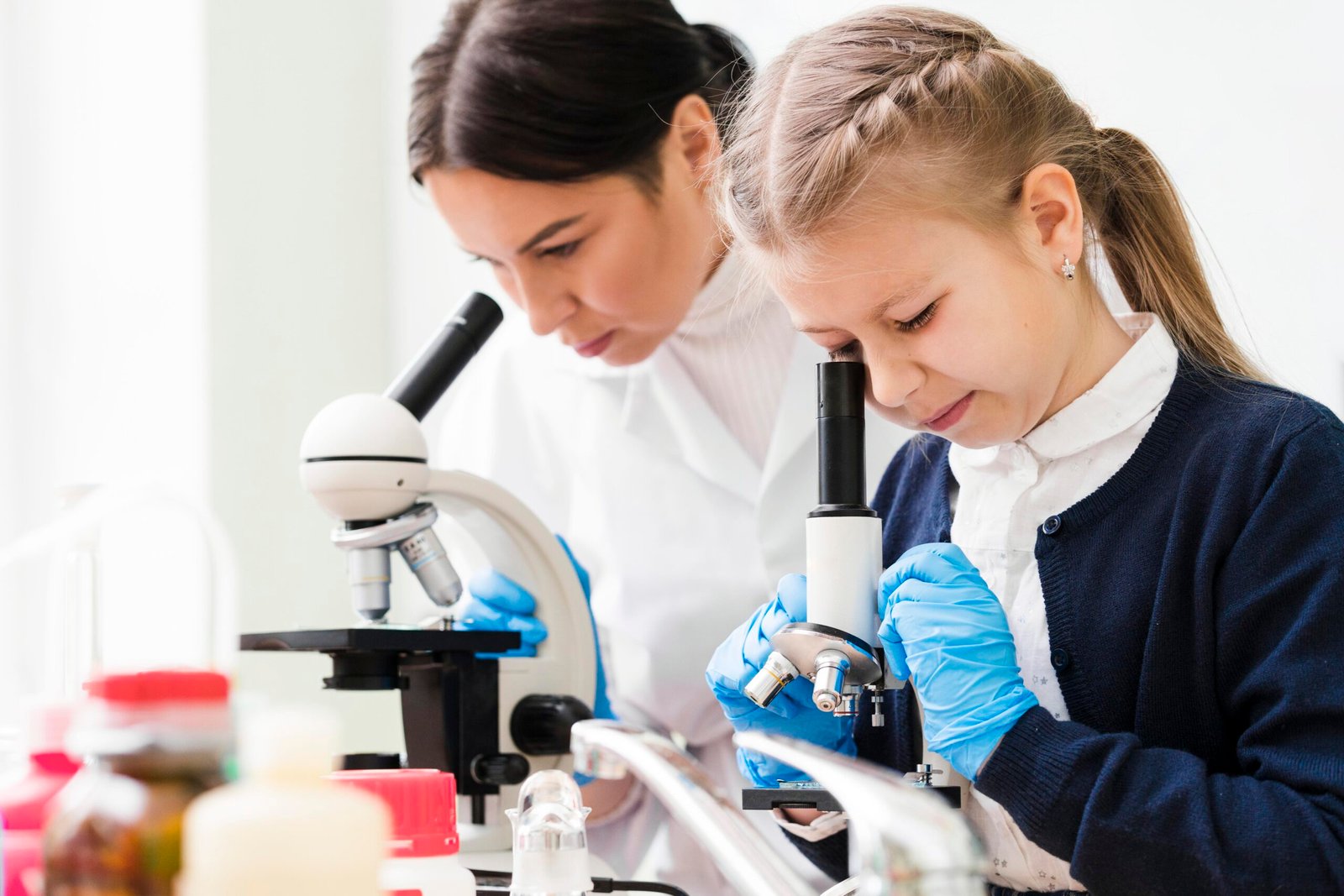
The qualification emphasizes practical skills and scientific inquiry alongside subject knowledge.
Scientific Inquiry
Planning experiments, using apparatus correctly, and making and recording detailed observations.
Data Analysis
Selecting, organizing, and interpreting data to draw valid conclusions and make logical predictions.
Application
Applying learned biological principles to new and unfamiliar theoretical or practical situations.
Assessment Structure
Assessment combines written papers to test knowledge and theory with practical papers to evaluate experimental skills.
- Written Papers: Include multiple-choice and structured theory questions. Questions require candidates to apply principles to new or unfamiliar situations.
- Practical Papers: Specifically test experimental skills, including the planning, observation, and evaluation of experiments.
- Assessment Objectives: The assessment includes specific weightings for objectives such as handling data and applying scientific methods.


Reviews
There are no reviews yet.